
Doddington North
Woodland Installation
Project

Project Summary
| Country | England |
|---|---|
| Location | Wooler, Northumberland |
| Uk grid reference | NT995363 |
| Project completion date | March 2018 |
| Total gross planted area (hectares) | 340.63 |
| Anticipated CO₂ capture (tonnes) | 92,760 |
| Approximate trees planted | 677,154 |
| Species planted |
Alder, Aspen, Birch, Juniper, Norway Spruce, Oak, Scots Pine, Sitka Spruce, Western Red Cedar, Willow, Other Conifers |
| Meets UK Forestry Standard | Yes |
| Woodland Carbon Code status | Validated |

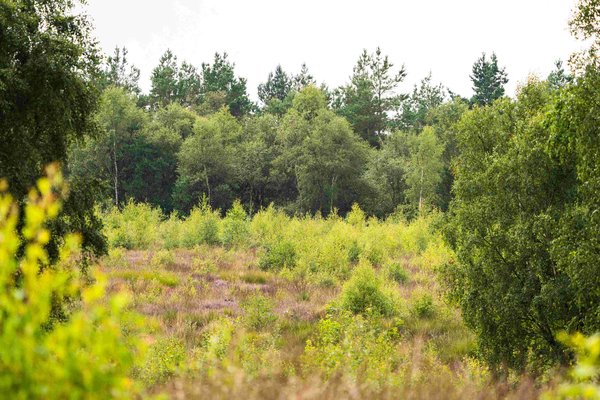
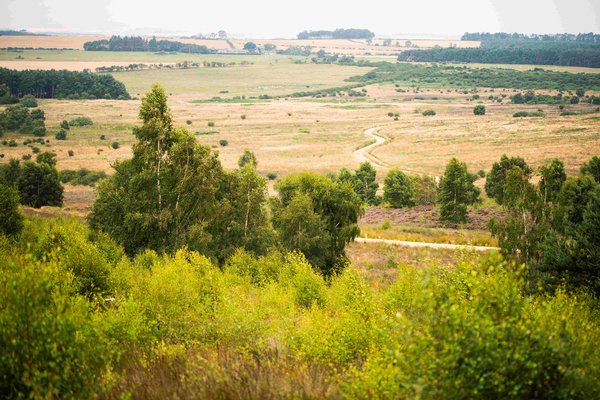
At the time, Doddington North was the largest productive forest to be planted in England for 25 years. It is a brilliantly conceived woodland, designed to harness the multitude of benefits that trees bring with them, and will be managed under a continuous-cover (ie no clear felling) basis.
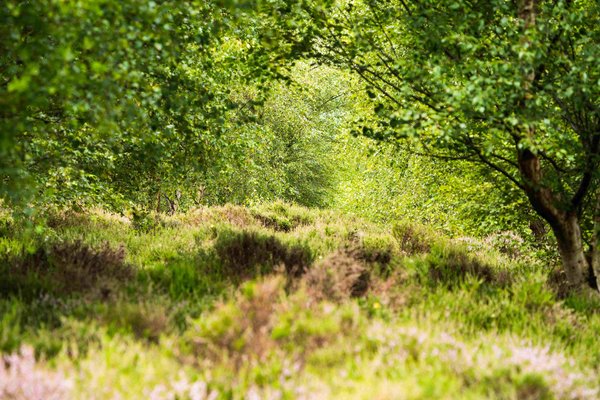
Slightly over half of the project is conifer, with a mixture of Scots pine and native broadleaves making up the remainder. The latter will be planted along watercourses to deliver riparian benefits and provide a network of biodiversity habitat running through the forest. Footpaths and bridleways have been built into the project design, so that local communities will have recreational access.
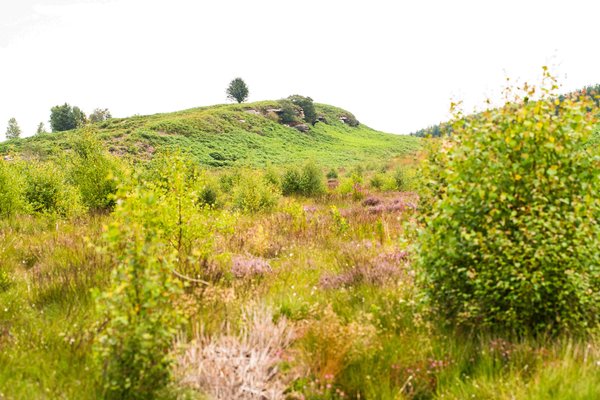
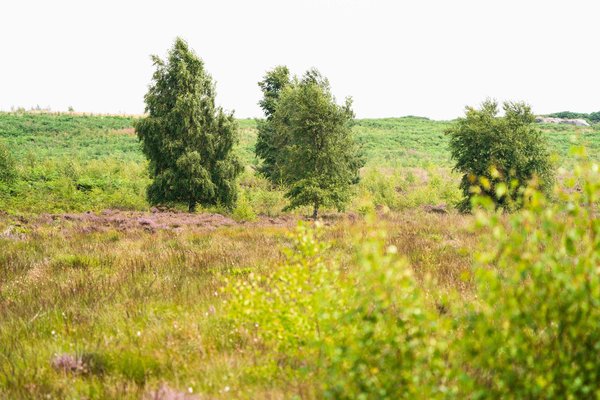
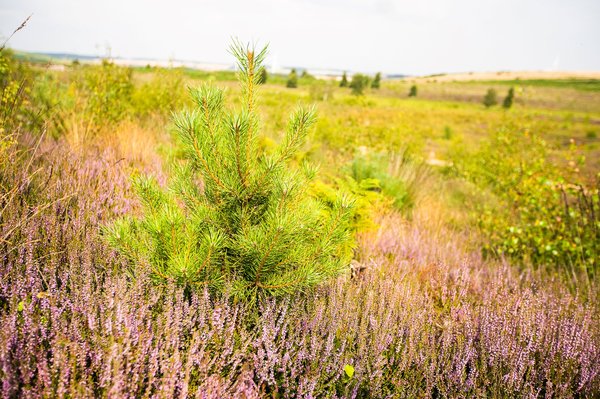
Only 75% of the site is planted and much of the open ground is managed priority habitat, including a rare peat mire that was restored as part of the project.
In 2020 a bird survey was undertaken by the ecologist who surveyed the site before planting, providing empirical evidence of the changes in bird life. In the two years since planting began there has been an increase in important species including kestrel, barn owl, hen harrier, nightjar, wall butterfly and petty whin have moved in or increased in abundance.